Buy babyhotels.eu ?
We are moving the project
babyhotels.eu .
Are you interested in purchasing the domain
babyhotels.eu ?
domain@kv-gmbh.de · 0541-91531010
Buy babyhotels.eu ?
What is a simple explanation for relaxation in materials science?
Relaxation in materials science refers to the process by which a material gradually returns to its original shape or state after being subjected to a stress or deformation. This occurs due to the rearrangement of atoms or molecules within the material, allowing it to release the stored energy and reduce the internal stresses. In simpler terms, relaxation is like the material taking a deep breath and returning to its natural state after being stretched or compressed. This phenomenon is important to understand in various applications, such as in the design of durable and resilient materials. **
What are raw materials, auxiliary materials, or operating materials?
Raw materials are the basic materials used in the production of goods. They are typically natural resources such as wood, metal, or agricultural products. Auxiliary materials are used to support the production process, such as lubricants, cleaning agents, or packaging materials. Operating materials are the supplies and tools used in the day-to-day operations of a business, such as office supplies, maintenance tools, or safety equipment. These materials are essential for the production and operation of goods and services. **

Similar search terms for Materials
Top-Angebote
Products related to Materials:
-
Aurora Palm Pals Tomas BLT 5" Soft Plush Toy for Infants - Eco-Friendly Recycled MaterialsSoft brown plush toy designed for infants and toddlers. Made from recycled plastic and recyclable hang tags. Easy to hold at 5 inches. Suitable from birth.6,19 £*Shipping: 3,95 £Secure redirect to the provider
-
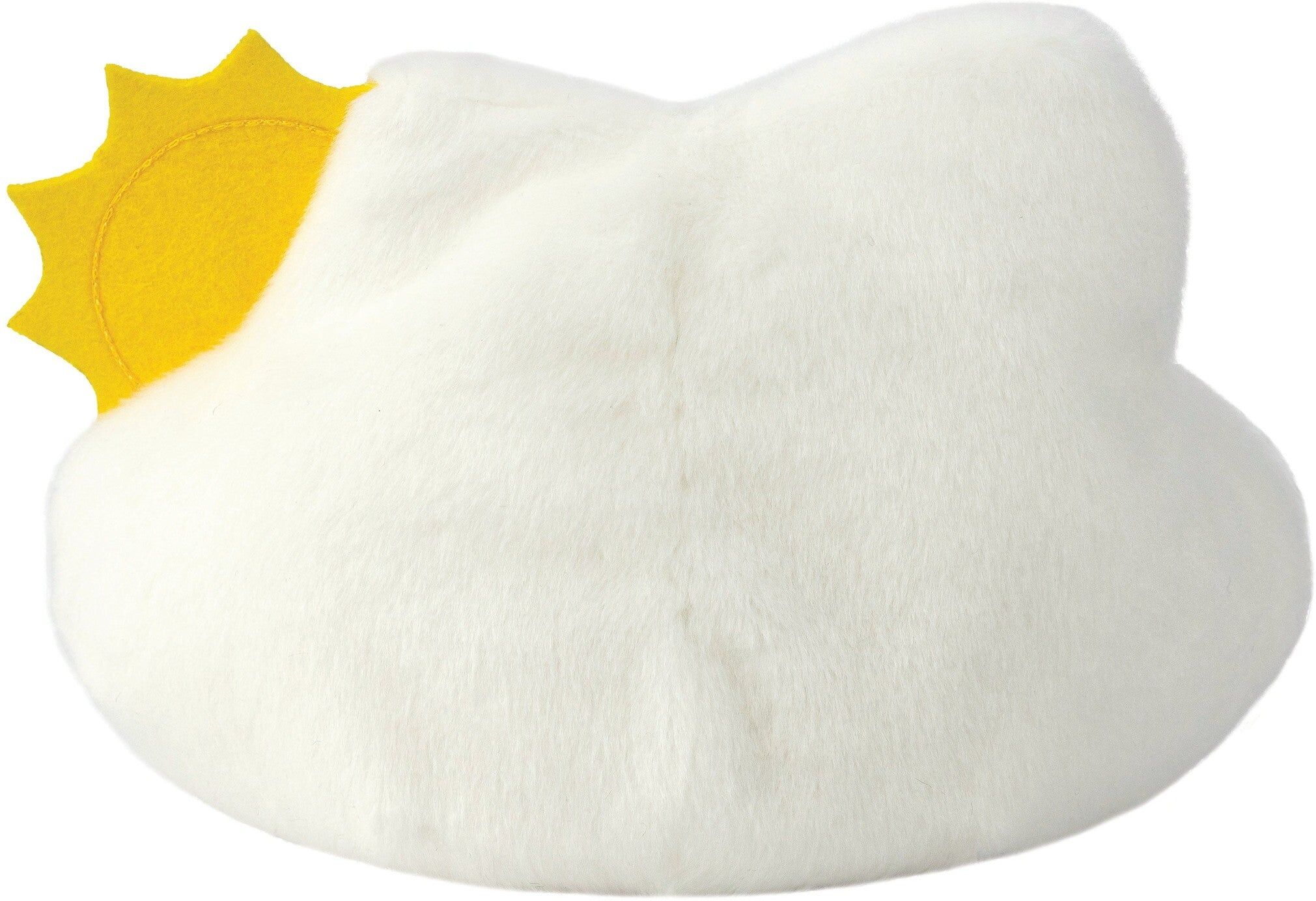
Aurora Cuddle Pals Summer Cloud 8" Soft Toy for Newborns Eco-Friendly Materials Suitable from BirthSoft and cuddly toy designed for little ones. Made with eco-friendly materials. Filled with recycled plastic beans and fiber fill. Suitable for children from birth.9,89 £*Shipping: 3,95 £Secure redirect to the provider
-
Elk Home Sceptre Black Natural Materials Ornamental AccessoryELK Home offer depth and breadth across a myriad of home furnishing categories with design styles ranging from updated traditional to soft modern. www.elkhome.com. A division of ELK Group International39,50 $*Shipping: 0,00 $Secure redirect to the provider
-
Aurora Eco Nation Mini Pig 5" - Eco-Friendly Soft Toy - Recycled Materials - Unisex - 5 Inch - Stuffed AnimalAurora Eco Nation Mini Pig 5" is an eco-friendly soft toy made from recycled plastic bottles. It features ultra-soft texture, embroidered eyes, and a hangtag shaped like a plastic bottle to educate about recycling. Suitable for all ages and genders.6,29 £*Shipping: 3,95 £Secure redirect to the provider



-
What climate-friendly building materials are there for houses?
There are several climate-friendly building materials that can be used for houses, including: 1. Recycled and reclaimed materials: Using materials such as reclaimed wood, recycled steel, and salvaged bricks can reduce the demand for new resources and minimize waste. 2. Sustainable wood: Timber that is certified by organizations like the Forest Stewardship Council (FSC) ensures that it comes from responsibly managed forests. 3. Insulation made from natural materials: Materials like cellulose, wool, and cork are renewable and have low environmental impact compared to traditional insulation materials. 4. Low-impact concrete alternatives: Materials like hempcrete, which is made from hemp fibers and lime, have lower carbon footprints than traditional concrete. By incorporating these materials into house construction, it is possible to reduce the environmental impact of building and contribute to a more sustainable future. **
-
What is the difference between building materials, operating materials, and auxiliary materials?
Building materials are used in the construction of a structure, such as bricks, concrete, and steel. Operating materials are items used in the day-to-day operations of a building, like cleaning supplies, office supplies, and maintenance tools. Auxiliary materials are additional items that support the functioning of a building, such as lighting fixtures, plumbing fixtures, and HVAC systems. Each type of material serves a specific purpose in the construction and maintenance of a building. **
-
What is the difference between raw materials, operating materials, and auxiliary materials?
Raw materials are the basic materials used in the production of goods, such as wood, metal, or oil. Operating materials are the materials used in the day-to-day operations of a business, such as office supplies, cleaning supplies, or packaging materials. Auxiliary materials are materials that support the production process but are not directly used in the final product, such as lubricants, solvents, or maintenance supplies. Each type of material plays a different role in the production and operation of a business. **
-
What is the difference between building materials, operating materials, and supplementary materials?
Building materials are used in the construction of a structure, such as wood, concrete, steel, and bricks. Operating materials are items used to maintain and operate a building, like cleaning supplies, light bulbs, and HVAC filters. Supplementary materials are additional items that may not be essential for the structure but can enhance its functionality or aesthetics, such as decorative finishes, landscaping materials, or furniture. **


Can someone explain the terms reserve materials, building materials, and operating materials?
Reserve materials are items kept in stock for future use, typically for emergencies or unexpected situations. Building materials are used in the construction or renovation of structures, such as wood, concrete, and steel. Operating materials are supplies necessary for the day-to-day functioning of a business or organization, like office supplies, cleaning products, and maintenance tools. Each term refers to specific types of materials needed for different purposes within a given context. **
What is the difference between raw materials, auxiliary materials, operating materials, and goods?
Raw materials are the basic materials used in the production of goods, such as wood for furniture or steel for cars. Auxiliary materials are used to support the production process but do not become part of the final product, like lubricants or cleaning agents. Operating materials are items necessary for the day-to-day functioning of a business, such as office supplies or maintenance tools. Goods are the final products that are produced and sold to customers, such as furniture or cars. **
Top-Angebote
Products related to Materials:
-
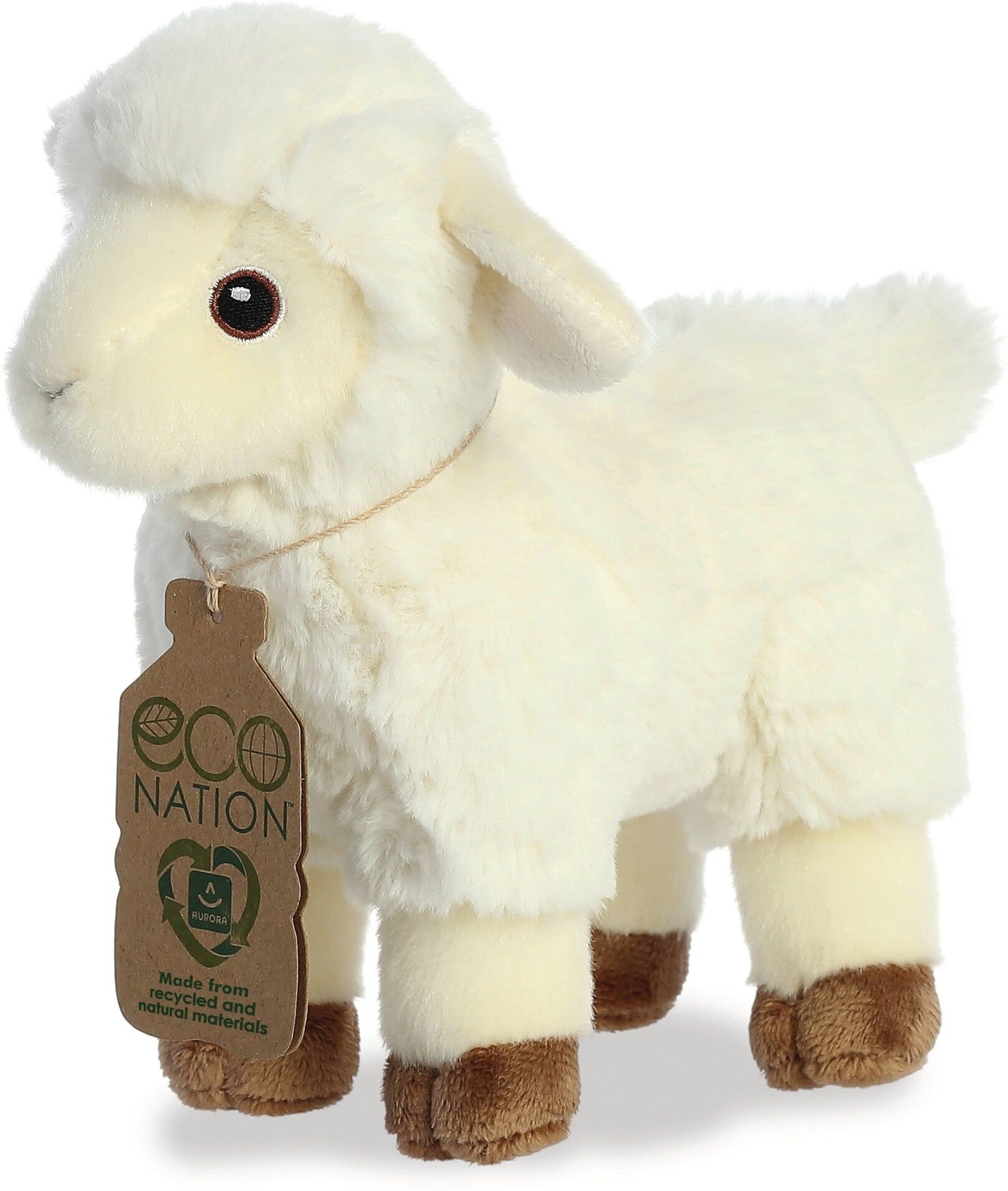
Aurora Eco Nation 8" Plush Lamb - Eco-Friendly Materials - 20cm - KidsCrafted with care, this lovable lamb is made from recycled plastics and natural materials, embodying our commitment to a sustainable future. Key Features: Eco-Friendly Materials: The plush exterior and fibre fill are crafted from recycled plastics, reducing plastic waste. Embroidered Eyes: Charming embroidered eyes combine safety and eco-consciousness. No plastic beans are used, making it even more environmentally friendly. Generous Size: Measuring 20cm, it's perfect for hugs and companionship. Lovable Lamb Design: The adorable lamb design appeals to all ages.13,79 £*Shipping: 3,95 £Secure redirect to the provider
-
Aurora Wallace ; Gromit Feathers Keychain - Compact Plush Charm for Keys - Eco-Friendly MaterialsCompact plush charm designed for keys, bags, or backpacks. Soft, lightweight, and made from sustainable materials. Ideal for fans of Wallace and Gromit.5,69 £*Shipping: 3,95 £Secure redirect to the provider
-
Aurora Palm Pals Tomas BLT 5" Soft Plush Toy for Infants - Eco-Friendly Recycled MaterialsSoft brown plush toy designed for infants and toddlers. Made from recycled plastic and recyclable hang tags. Easy to hold at 5 inches. Suitable from birth.6,19 £*Shipping: 3,95 £Secure redirect to the provider
-
Aurora Cuddle Pals Summer Cloud 8" Soft Toy for Newborns Eco-Friendly Materials Suitable from BirthSoft and cuddly toy designed for little ones. Made with eco-friendly materials. Filled with recycled plastic beans and fiber fill. Suitable for children from birth.9,89 £*Shipping: 3,95 £Secure redirect to the provider
-
What is a simple explanation for relaxation in materials science?
Relaxation in materials science refers to the process by which a material gradually returns to its original shape or state after being subjected to a stress or deformation. This occurs due to the rearrangement of atoms or molecules within the material, allowing it to release the stored energy and reduce the internal stresses. In simpler terms, relaxation is like the material taking a deep breath and returning to its natural state after being stretched or compressed. This phenomenon is important to understand in various applications, such as in the design of durable and resilient materials. **
-
What are raw materials, auxiliary materials, or operating materials?
Raw materials are the basic materials used in the production of goods. They are typically natural resources such as wood, metal, or agricultural products. Auxiliary materials are used to support the production process, such as lubricants, cleaning agents, or packaging materials. Operating materials are the supplies and tools used in the day-to-day operations of a business, such as office supplies, maintenance tools, or safety equipment. These materials are essential for the production and operation of goods and services. **
-
What climate-friendly building materials are there for houses?
There are several climate-friendly building materials that can be used for houses, including: 1. Recycled and reclaimed materials: Using materials such as reclaimed wood, recycled steel, and salvaged bricks can reduce the demand for new resources and minimize waste. 2. Sustainable wood: Timber that is certified by organizations like the Forest Stewardship Council (FSC) ensures that it comes from responsibly managed forests. 3. Insulation made from natural materials: Materials like cellulose, wool, and cork are renewable and have low environmental impact compared to traditional insulation materials. 4. Low-impact concrete alternatives: Materials like hempcrete, which is made from hemp fibers and lime, have lower carbon footprints than traditional concrete. By incorporating these materials into house construction, it is possible to reduce the environmental impact of building and contribute to a more sustainable future. **
-
What is the difference between building materials, operating materials, and auxiliary materials?
Building materials are used in the construction of a structure, such as bricks, concrete, and steel. Operating materials are items used in the day-to-day operations of a building, like cleaning supplies, office supplies, and maintenance tools. Auxiliary materials are additional items that support the functioning of a building, such as lighting fixtures, plumbing fixtures, and HVAC systems. Each type of material serves a specific purpose in the construction and maintenance of a building. **
Similar search terms for Materials
-
Elk Home Sceptre Black Natural Materials Ornamental AccessoryELK Home offer depth and breadth across a myriad of home furnishing categories with design styles ranging from updated traditional to soft modern. www.elkhome.com. A division of ELK Group International39,50 $*Shipping: 0,00 $Secure redirect to the provider
-
Aurora Eco Nation Mini Pig 5" - Eco-Friendly Soft Toy - Recycled Materials - Unisex - 5 Inch - Stuffed AnimalAurora Eco Nation Mini Pig 5" is an eco-friendly soft toy made from recycled plastic bottles. It features ultra-soft texture, embroidered eyes, and a hangtag shaped like a plastic bottle to educate about recycling. Suitable for all ages and genders.6,29 £*Shipping: 3,95 £Secure redirect to the provider
-
Friendly Fresh Finds Hand Push Wheel Roller Compaction Tool For Wallpaper, Film Edge Pressing, And Bonding Leather Materials Hand Push Wheel Roller Compaction Tool For Wallpaper, Film Edge Pressing, And Bonding Leather MaterialsEfficient Roller Compaction Tool for Car Soundproofing and More This Roller Compaction Tool is designed to provide quick, easy, and effective flattening of materials like car soundproof wallpaper, leather, and other adhesive bonding surfaces....31,97 $*Shipping: 0,00 $Secure redirect to the provider
-
What is the difference between raw materials, operating materials, and auxiliary materials?
Raw materials are the basic materials used in the production of goods, such as wood, metal, or oil. Operating materials are the materials used in the day-to-day operations of a business, such as office supplies, cleaning supplies, or packaging materials. Auxiliary materials are materials that support the production process but are not directly used in the final product, such as lubricants, solvents, or maintenance supplies. Each type of material plays a different role in the production and operation of a business. **
-
What is the difference between building materials, operating materials, and supplementary materials?
Building materials are used in the construction of a structure, such as wood, concrete, steel, and bricks. Operating materials are items used to maintain and operate a building, like cleaning supplies, light bulbs, and HVAC filters. Supplementary materials are additional items that may not be essential for the structure but can enhance its functionality or aesthetics, such as decorative finishes, landscaping materials, or furniture. **
-
Can someone explain the terms reserve materials, building materials, and operating materials?
Reserve materials are items kept in stock for future use, typically for emergencies or unexpected situations. Building materials are used in the construction or renovation of structures, such as wood, concrete, and steel. Operating materials are supplies necessary for the day-to-day functioning of a business or organization, like office supplies, cleaning products, and maintenance tools. Each term refers to specific types of materials needed for different purposes within a given context. **
-
What is the difference between raw materials, auxiliary materials, operating materials, and goods?
Raw materials are the basic materials used in the production of goods, such as wood for furniture or steel for cars. Auxiliary materials are used to support the production process but do not become part of the final product, like lubricants or cleaning agents. Operating materials are items necessary for the day-to-day functioning of a business, such as office supplies or maintenance tools. Goods are the final products that are produced and sold to customers, such as furniture or cars. **
* All prices are inclusive of VAT and, if applicable, plus shipping costs. The offer information is based on the details provided by the respective shop and is updated through automated processes. Real-time updates do not occur, so deviations can occur in individual cases. ** Note: Parts of this content were created by AI.